
Real Estate
2 charged for allegedly kidnapping victim who told police she was held captive in apartment for 2 years
By Erik Svenson
Advertisement · Why this ad?
Tommy Anderson is a community reporter with a knack for uncovering local stories that matter. He has a journalism degree from Minnesota State University Moorhead and has reported for several local news organizations over his eight-year career.
More from Tommy →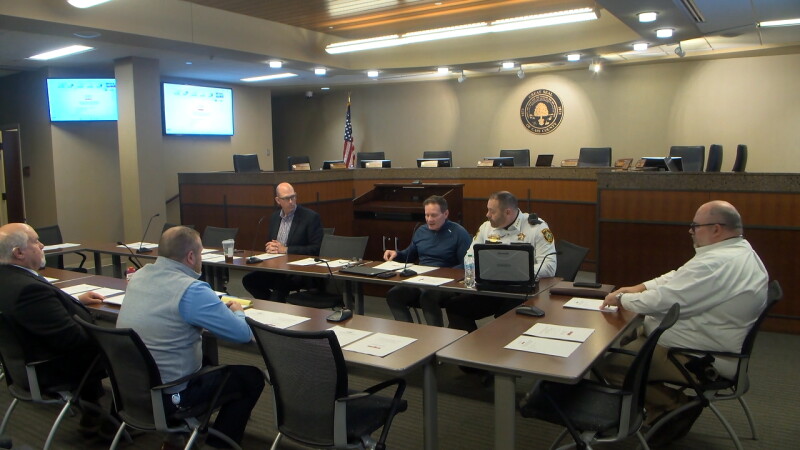
On a chilly Thursday afternoon in Fargo, community members gathered at the Cass County Public Safety Task Force meeting, a scene that underscores the urgent need for a shift in how public safety is approached in our community. As the room filled with concerned citizens, law enforcement officials, healthcare providers, mental health advocates, and local leaders, the message was clear: the root of many public safety issues isn’t crime itself, but behavioral health crises that go unmet until they escalate into emergencies. This realization is prompting a call for a comprehensive response that prioritizes mental health and community-based solutions over traditional policing alone.
The recently finalized report from the Cass County Public Safety Task Force pinpoints behavioral health as the primary driver behind many incidents that often land in the hands of law enforcement. The task force, which began its work earlier this year, analyzed data from local law enforcement agencies, hospitals, and social services, as well as community feedback gathered through public forums and surveys. The report emphasizes that law enforcement officers are frequently called to situations that would be better managed by healthcare professionals or social services, highlighting a systemic gap in our community’s safety net.
Commissioner Joel Vettel, a key voice in the process, explained, “We’re looking at what our community needs for the next five to ten years. The focus now is on creating a crisis response model that can effectively handle behavioral health emergencies without overburdening police resources.” The report advocates for a paradigm shift—moving from a reactive, enforcement-based approach to a proactive, health-oriented strategy that emphasizes community well-being.
Many community members are familiar with these issues firsthand. Local families, especially those with loved ones experiencing mental health challenges, have long called for more compassionate, accessible services. Faith leaders from Fargo’s diverse religious communities have also voiced support, emphasizing that faith-based organizations are often the first line of support for individuals in crisis and can play a vital role in the new approach.
The core recommendation calls for developing a dedicated crisis response model that involves trained mental health professionals working alongside law enforcement or, in some cases, independently. This approach aims to de-escalate situations involving individuals experiencing mental health crises before they escalate into violence or involve the criminal justice system. Such models have seen success in other communities, reducing unnecessary arrests and hospitalizations while providing individuals with the care they need.
Implementing this model requires funding and coordination. The report suggests that localities could collect a public safety levy of up to $4 per $1,000 of taxable property value—a move that could generate significant resources for mental health services and crisis intervention programs. This levy would empower local governments to invest directly in community health initiatives, making mental health care accessible and responsive to those in crisis. Local nonprofits and health agencies are eager to partner in these efforts, recognizing that sustainable funding is essential for long-term success.
The community’s response to the report has been mixed but largely hopeful. Many residents recognize that addressing behavioral health is essential to improving public safety and reducing the burden on law enforcement. Community organizations, including Fargo’s United Way chapter and local faith-based groups, have long advocated for more compassionate, community-centered approaches rooted in strong families and authentic faith—values that foster resilience and support for those struggling with mental health issues.
As the Cass County Commission reviews the report, stakeholders are calling for swift action. The proposed levy, if approved, could fund crisis teams, expanded mental health services, and training programs for first responders. The goal is to create a system where every individual experiencing a crisis receives timely, appropriate care—upholding the dignity of every person and strengthening the fabric of our community. Local mental health clinics, including the Sanford Behavioral Health Center and Essentia Health, are preparing to expand their services in anticipation of increased demand.
While challenges remain, the focus on behavioral health represents a hopeful shift toward a more compassionate and effective public safety model. Fargo’s community leaders, from the Fargo City Council to the Fargo Public Schools, are actively discussing ways to integrate mental health education and early intervention programs into schools and community centers. The city’s vibrant arts and cultural scene also offers opportunities to foster community resilience through programs that promote mental wellness and social connection.
The community’s strength lies in its families, churches, and local organizations committed to fostering a culture of care and support. Faith-based groups like the Fargo Baptist Church and the Evangelical Free Church have expressed their willingness to collaborate on outreach and support initiatives. By investing in mental health and community resources, Fargo can serve as a model for other cities grappling with similar issues.
As local leaders deliberate on funding and implementation, residents can expect ongoing updates and opportunities to engage in shaping the future of public safety. Town halls, public forums, and community workshops are planned to gather input and ensure transparency. The path forward involves not only policy changes but a collective commitment to uphold the values of faith, family, and community—cornerstones that make Fargo a place where everyone can thrive.
This initiative is about more than just policy—it’s about transforming how we view safety and health in our community. Fargo has long been known for its friendly neighborhoods, strong schools, and vibrant local economy. Now, it’s positioning itself as a leader in innovative, community-centered public safety strategies that prioritize mental health and well-being. This approach can reduce the cycle of crisis and incarceration, foster stronger families, and create a more resilient city where everyone has the opportunity to succeed.
Local mental health advocates like Sarah Jensen, director of the Fargo Mental Wellness Coalition, emphasize that mental health is a community issue that requires community solutions. “When we invest in mental health services, we’re investing in the future of Fargo,” Jensen said. “It’s about creating a system where help is accessible, stigma is reduced, and no one feels alone in their struggles.”
Looking ahead, Fargo’s success in implementing these changes could inspire neighboring communities in North Dakota and beyond to adopt similar models. The community’s collective effort—combining policy, faith, healthcare, and grassroots activism—can serve as a blueprint for a more compassionate and effective public safety framework that truly meets the needs of all residents.
By Erik Svenson
By Carlos Martinez

By Jenna Larson
By Sofia Cheung