
Health
Wolves prez: Anthony Edwards will be ‘good as new’ after knee procedure
By Tommy Anderson
Advertisement · Why this ad?
Tommy Anderson is a community reporter with a knack for uncovering local stories that matter. He has a journalism degree from Minnesota State University Moorhead and has reported for several local news organizations over his eight-year career.
More from Tommy →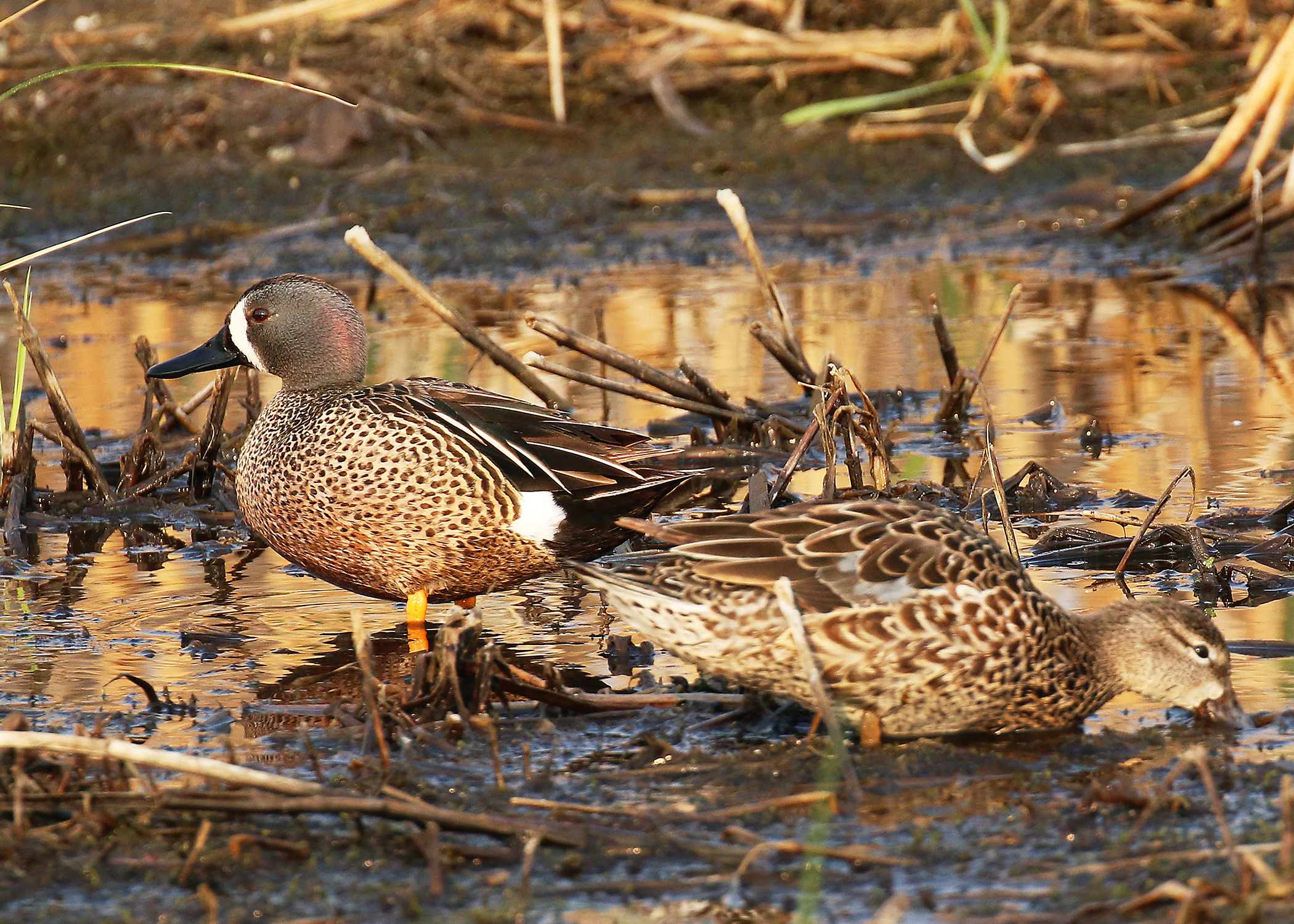
In the heart of North Dakota, a significant investment is set to transform the landscape of working farms, promising a brighter, more sustainable future for our agricultural communities. This commitment to stewardship and innovation is spearheaded by organizations like Ducks Unlimited, which is leading the charge with nearly $15 million dedicated to conservation efforts that promise to enhance both the environment and agricultural productivity across the Great Plains.
The U.S. Department of Agriculture’s Natural Resources Conservation Service (NRCS) recently announced a monumental investment of over $325 million across 42 projects nationwide. Among these vital initiatives, two projects totaling nearly $15 million have been awarded to Ducks Unlimited, an organization long recognized for its dedication to wetland and waterfowl conservation. This funding, channeled through the Regional Conservation Partnership Program (RCPP), underscores a voluntary, partnership-driven approach to conservation on working agricultural lands, a cornerstone of sustainable farming.
The RCPP program is designed to incentivize collaboration, bringing together diverse partners to address natural resource challenges on a regional scale. The projects led by Ducks Unlimited exemplify this spirit, uniting federal agencies, state departments, and local landowners in a shared mission. These efforts are not just about preserving nature; they are about strengthening the very foundations of our rural economy and ensuring that the land can continue to provide for generations of families.
The nearly $15 million allocated to Ducks Unlimited will fund two distinct, yet complementary, projects across seven states in the Great Plains. These initiatives are meticulously designed to tackle critical environmental concerns while simultaneously bolstering the resilience and profitability of agricultural operations. The commitment from the USDA reflects a profound understanding that the health of our land and water is inextricably linked to the prosperity of our farming families.
One of the flagship projects, titled “Advancing Soil Health and Resilience Through Cover Crop Adoption and Grassland Restoration,” has secured $4,950,000 specifically for North Dakota. This initiative is set to deliver large-scale conservation benefits by focusing on key practices that enhance the ecological integrity of our working agricultural landscapes. It's a testament to the foresight of our local leaders and the dedication of our farmers that North Dakota is at the forefront of these efforts.
Under this project, Ducks Unlimited plans to convert 2,500 acres of cropland to perennial cover, a crucial step in reducing erosion and improving soil structure. Additionally, diverse cover crops will be established on 10,000 acres, enriching the soil with organic matter and enhancing its ability to retain moisture. A significant component also includes the restoration of 1,000 acres of vital wetlands, which are essential for water quality and wildlife habitat.
Key partners in this North Dakota-specific endeavor include the North Dakota Game and Fish Department, the North Dakota Department of Agriculture, and North Dakota State University (NDSU). This collaboration ensures that the projects are grounded in scientific expertise and tailored to the unique ecological and agricultural needs of our state. The involvement of NDSU, a pillar of agricultural education and research in our region, provides invaluable guidance and innovation.
The second, larger project, the “Northern Great Plains Wetlands and Grasslands Initiative,” received a substantial $9,999,999. This expansive effort spans across South Dakota, Montana, North Dakota, Nebraska, Iowa, Minnesota, and Wyoming, reflecting the interconnectedness of our regional ecosystems. It aims to restore 10,000 acres of wetlands, establish 10,000 acres of perennial cover, and implement sustainable grazing systems on 20,000 acres.
This multi-state initiative brings together an impressive roster of partners, including the North Dakota Game and Fish Department, South Dakota Game, Fish and Parks, Montana Fish, Wildlife and Parks, Nebraska Game and Parks Commission, Iowa Department of Natural Resources, Minnesota Department of Natural Resources, and Wyoming Game and Fish Department. Such widespread collaboration is vital for addressing conservation challenges that transcend state lines, ensuring a holistic approach to preserving the natural heritage of the Great Plains.
These investments are more than just financial figures; they represent a profound commitment to the future of our rural communities. As NRCS Chief Terry Cosby aptly stated, “These projects are a testament to the power of partnership, where conservation is a shared responsibility, and farmers and ranchers are at the forefront of these efforts.” This sentiment resonates deeply in places like Fargo and surrounding Cass County, where agriculture is not just an industry but a way of life, deeply woven into the fabric of our identity.
For new residents, understanding Fargo means understanding its deep roots in agriculture. While Fargo is a growing urban center, it's surrounded by vast farmlands in Cass County, making agricultural health directly tied to our community's well-being. The Red River Valley, known for its fertile soil, is a prime example of how stewardship of the land directly impacts the prosperity of our families and the stability of our local economy. These projects offer a tangible way for farmers to embrace practices that benefit both their bottom line and the environment.
Local farmers participating in the program share a common hope for improved soil health, reduced input costs, and a more resilient farming operation. The implementation of cover crops, for instance, can significantly reduce erosion, improve water infiltration, and enhance soil fertility, leading to healthier crops and more stable yields. These practices are not just about short-term gains; they are about ensuring that the land remains productive and vibrant for children and grandchildren, upholding the traditional values of hard work and responsible stewardship that define our region.
The emotional arc of this story captures the hope and determination of a community striving for sustainable farming practices amid environmental challenges. It reflects a deep-seated belief in the American dream of stable, loving households built on the foundation of honest labor and a profound respect for the land. When families commit to these long-term conservation efforts, they are investing not only in their farms but in the very future of their lineage, strengthening the bonds that hold our communities together.
The impact of these projects is expected to be far-reaching, promising improved soil health, enhanced water quality, and vital wildlife habitat. Reduced erosion will protect our precious topsoil, while better water management will benefit both agricultural production and the broader ecosystem, including the critical Red River Valley watershed. The increase in biodiversity, particularly through wetland and perennial cover restoration, will support a healthier natural environment for all.
These initiatives are slated for implementation over the next five years, offering a sustained period of focus and investment in our natural resources. As NRCS Chief Cosby emphasized, “We are investing in the health of our land and water for future generations.” This long-term perspective is crucial, as the benefits of conservation often accrue over many years, mirroring the patience and foresight required to cultivate a strong family and a thriving community.
As farmers prepare to implement these conservation practices, the promise of greener fields and healthier soil looms on the horizon, heralding a new era for agriculture in the Great Plains. This collaborative spirit, uniting government agencies, conservation groups, and dedicated farm families, is a powerful example of how we can work together to build a more sustainable and prosperous future. It's a testament to the enduring values of faith, family, and stewardship that continue to guide our communities, ensuring that the land we cherish today will continue to provide for those who come after us.
The commitment to these projects reflects a deep understanding that true prosperity is not just economic, but also ecological and social. By investing in the health of our natural resources, we are investing in the well-being of our neighbors, the vitality of our rural towns, and the legacy we leave for our children. It is a powerful narrative of hope, resilience, and the unwavering belief in the power of collective action to achieve a common good.
By Tommy Anderson
By Diane Nguyen

By Carlos Martinez

By Jake Thompson