Sports
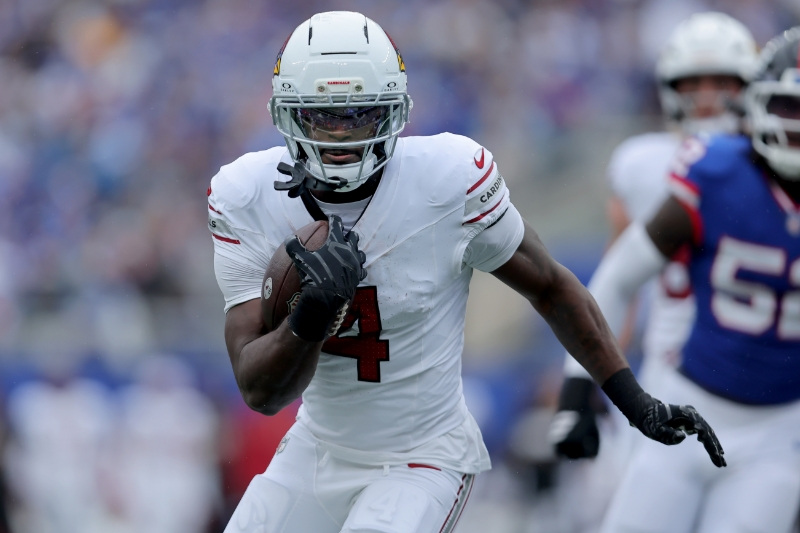
Report: Cards placing rookie RB Jeremiyah Love on IR
By Carlos Martinez
Advertisement · Why this ad?
Diane Nguyen is an enthusiastic sports reporter with a passion for covering local high school athletics. A graduate of Minnesota State University Moorhead, she has spent the last five years reporting for local sports networks while fostering community pride through her vibrant storytelling.
More from Diane →
As the sun sets over the Fargo skyline, the excitement of baseball season lingers in the air, even as Major League Baseball (MLB) finds itself at a crossroads. On November 3, MLB proposed a significant change to its financial structure, suggesting a delay in the implementation of a salary cap until the 2028 season. This pivotal moment comes as the current collective bargaining agreement approaches its expiration on December 1, leaving players, teams, and fans alike on the edge of their seats.
In a bold move, MLB announced its proposal to phase in a salary cap and floor system starting in 2028. The league's statement highlighted the need for teams to have a full offseason to adjust to these financial constraints, which would fundamentally reshape the landscape of the sport. The proposed cap would be set at $258.2 million, while the floor would be $180.2 million, marking a substantial increase from the original targets of $245.3 million and $171.2 million.
This proposal indicates that 12 clubs would need to increase their payroll by a staggering $636 million to meet the floor, while eight teams would have to cut back by $528 million to comply with the cap. In total, this would result in a net payroll increase of $108 million across the league. The intention behind this strategy is to create a smoother transition into a more equitable financial framework for the teams and players.
The proposal has already sparked a wave of responses, particularly from the MLB Players Association (MLBPA). Interim executive director Bruce Meyer expressed strong opposition to the idea of a salary cap, emphasizing that generations of players have fought against such systems. Meyer’s remarks were clear: “Caps don’t lower ticket prices for fans, eliminate tanking or ensure teams are run with equal competence.”
The sentiments expressed by Meyer resonate deeply within the baseball community, as players fear that a salary cap could undermine their hard-earned contracts and the competitive spirit of the game. The last time owners pushed for a salary cap—over three decades ago—it led to the longest work stoppage in MLB history, a painful chapter that many hope not to revisit.
As the clock ticks down toward the December 1 deadline, anxiety is palpable among players and fans. The looming threat of a lockout adds to the tension, with both sides needing to come to an agreement to avoid disrupting the upcoming season. In Fargo, where local baseball teams thrive on community support, the implications of such a lockout could be felt far beyond the major leagues.
The financial implications of the proposed salary cap and floor are vast. Teams like the Oakland Athletics and the Chicago White Sox would need to ramp up their spending, while storied franchises like the New York Yankees and the Los Angeles Dodgers would be forced to reevaluate their financial strategies. This shift could lead to a more balanced competitive environment, but it also raises concerns about the financial health of the teams involved.
For many fans, the prospect of a salary cap might seem like a fair approach to leveling the playing field. However, the reality is that it could stifle the very essence of competition that makes baseball so thrilling. The debate over financial equity in sports is not new, and as MLB grapples with these challenges, the voices of players and fans will play a crucial role in shaping the future of the league.
Understanding the historical context of salary caps in professional sports is essential. In many leagues, salary caps are implemented to promote parity among teams, ensuring that no single franchise can dominate due to financial advantages. However, baseball has a unique history, characterized by its deep-rooted traditions and the autonomy of its players.
In the past, players have fought fiercely against salary caps, viewing them as a threat to their rights and the sanctity of contracts. The MLBPA's staunch opposition to the current proposal echoes decades of struggle for fair compensation and respect within the sport. As negotiations unfold, the lessons of history will undoubtedly influence the decisions made by both the league and the players.
The potential fallout from a salary cap extends beyond the professional level, reaching into communities like Fargo, where local baseball programs rely on the success of major league teams. Youth leagues and high school teams thrive on the inspiration and support from the MLB, and any disruptions in the professional ranks could ripple through these grassroots organizations.
In Fargo, families gather at local fields to watch their children play, fostering a sense of community and shared passion for the game. The love for baseball is not just about the players on the field; it’s about the connections forged through the sport. A lockout could dampen this spirit, leaving young athletes wondering about the future of their beloved game.
Local baseball enthusiasts, such as Fargo’s youth baseball league director, Jenna Thompson, shared her concerns about the implications of a salary cap on the sport’s culture. “Baseball is a way of life here,” Thompson noted. “Our kids look up to the pros, and if the game is in turmoil, it affects how they view their future in baseball.”
Parents like Mark Johnson, who coaches a local Little League team, echoed similar sentiments. “The kids are so passionate about the game. They emulate their favorite players, and any uncertainty at the major league level can trickle down and affect their enthusiasm,” he said. “We want them to dream big, but a lockout could dampen that spirit.”
As the December 1 deadline looms, the future of MLB hangs in the balance. Will the league and the players reach a compromise, or will they find themselves entrenched in a battle that could lead to a lockout? The stakes are high, and the consequences will be felt across the country, from the professional level down to local communities.
For fans in Fargo and beyond, the hope is that both parties can find common ground. The game of baseball is more than just a sport; it’s a cherished tradition that brings people together. As negotiations continue, the voices of players, fans, and communities must be heard, reminding everyone involved of the true spirit of the game.
Ultimately, the outcome of these negotiations will shape not only the financial future of Major League Baseball but also the cultural landscape of communities like Fargo, where the love for the game runs deep. The coming weeks will be critical as both sides prepare for what could be a defining moment in the history of the sport.