
Real Estate
Judge strikes down parts of North Dakota Beef Commission membership law
By Sofia Cheung
Advertisement · Why this ad?
Mark Gilliam brings a decade of experience in business reporting to Fargo Current, previously writing for the Grand Forks Herald. He holds a degree in Business Administration from the University of North Dakota and specializes in local economic trends and business development.
More from Mark →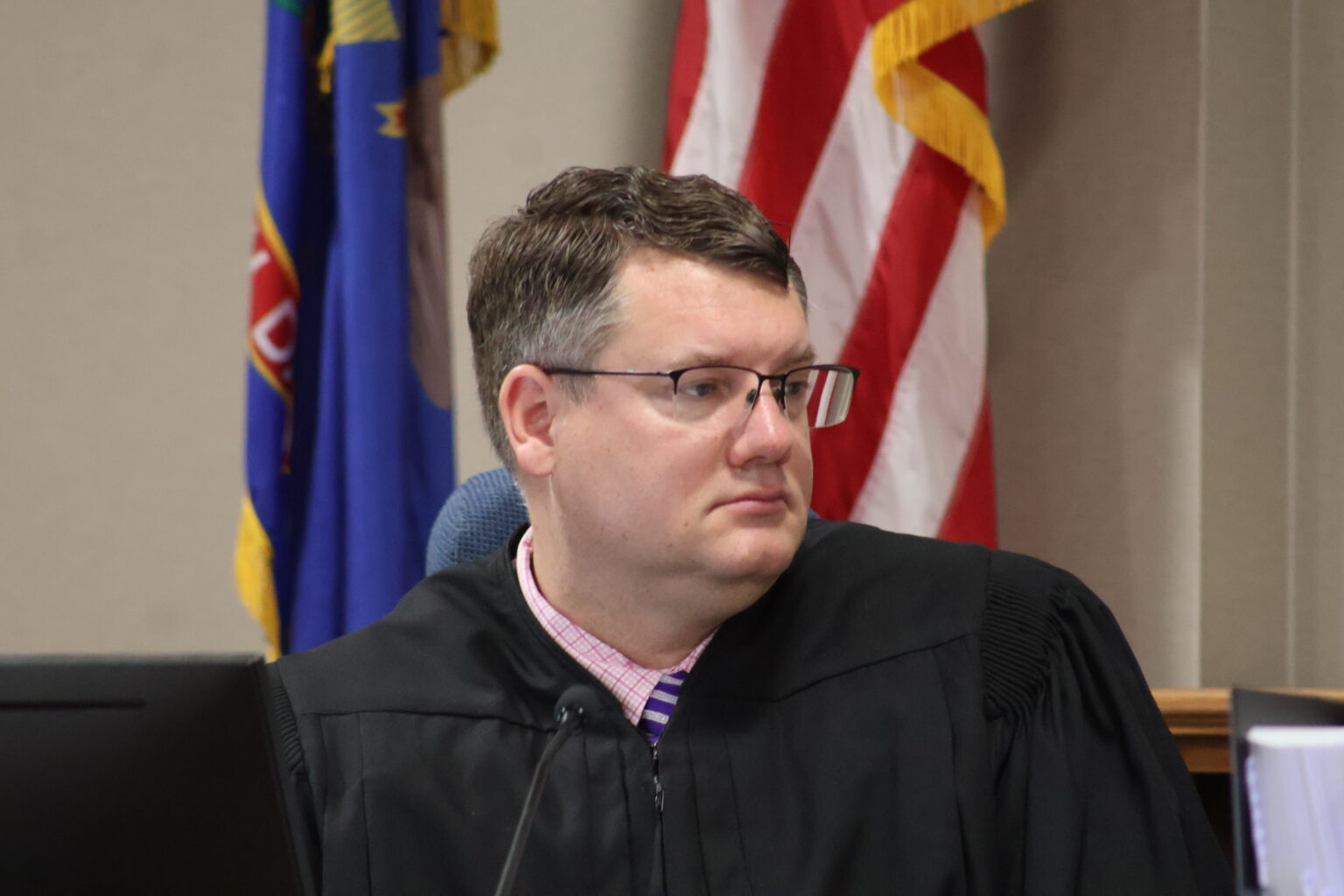
In a pivotal ruling, a North Dakota judge has reshaped the landscape of the beef industry by striking down a law that favored specific trade groups in the nomination process for a key commission. This decision not only impacts the cattlemen involved but also raises profound questions about fairness and representation in agricultural governance, particularly in a state where ranching is a cornerstone of our heritage and economy.
South Central District Judge Jackson Lofgren delivered a significant blow to the existing structure of the North Dakota Beef Commission, ruling that the state law governing nominations to the panel is unconstitutional. The judge declared that the statute violates the state constitution by granting exclusive nominating power for six seats on the public commission to specific, named trade groups, effectively creating a 'closed class' and an 'arbitrary and unreasonable' advantage.
The legal challenge was initiated last year by three dedicated cattlemen: Kenneth Graner, Michael Heaton, and Jeremy Maher, who serve as directors of the Ranchers Rights Initiative. Their courageous stand against the established system sought to ensure that all voices within the vast and vital beef industry of North Dakota have an equal opportunity for representation, not just a select few.
For generations, North Dakota's agricultural sector has been built on principles of hard work, integrity, and community. The idea that a public body, tasked with promoting an industry that supports countless families and livelihoods, could be shaped by a narrow group of interests struck a chord with many. The Ranchers Rights Initiative argued that such a system undermined the democratic spirit essential to our state's governance.
The state had initially sought to dismiss the claims brought forth by Graner, Heaton, and Maher. However, after hearing arguments from both sides in a July hearing, Judge Lofgren carefully considered the implications of the law. His eventual ruling underscored a commitment to equitable processes, reflecting the values of fair play and open opportunity that are deeply ingrained in our state's character.
In his Friday decision, Judge Lofgren did not mince words, stating unequivocally, That is arbitrary and unreasonable.
He elaborated that the law deals out an advantage by name,
granting these specific entities the exclusive power to choose who may be considered for six seats on a public commission.
This, he concluded, was a clear violation of constitutional principles.
The judge's reasoning highlighted a critical flaw: by specifically naming private entities rather than establishing clear, objective criteria for eligibility, the law effectively created a barrier to entry for other qualified individuals and groups. This 'closed class' system, as Judge Lofgren described it, stifled broader participation and undermined the very purpose of a public commission designed to serve the entire industry.
This ruling from the South Central District Court sends a powerful message about the importance of transparency and fairness in all aspects of public life, especially in sectors as crucial as agriculture. It reinforces the idea that public commissions, like the North Dakota Beef Commission, must operate under rules that ensure broad representation and prevent undue influence from any single group.
The North Dakota Beef Commission plays a significant role in promoting the state's beef industry, a sector that contributes substantially to the state's economy and provides a stable foundation for many rural communities. Decisions made by this commission affect everything from marketing strategies to research initiatives, directly influencing the profitability and sustainability of ranching operations across the state.
The unconstitutionality of the nomination process means that the very foundation of how this commission is formed must be re-evaluated. This could lead to a more inclusive process, potentially allowing a wider range of cattle producers, including smaller family farms and independent ranchers, to have a say in who represents their interests. Such reforms align with the broader goals of ensuring that North Dakota's Department of Agriculture truly serves all its constituents.
For Kenneth Graner, Michael Heaton, and Jeremy Maher, this victory is more than just a legal precedent; it's a testament to the enduring spirit of North Dakota's ranching families. These men, like many in our state, embody the values of perseverance and a deep commitment to their land and their community. Their fight was not just for themselves, but for every rancher who felt marginalized by a system that seemed to favor the well-connected.
The agricultural community in North Dakota is often characterized by strong, intact families who have worked the same land for generations, passing down not just property, but also values of hard work, faith, and mutual support. This ruling resonates deeply within these communities, as it underscores the importance of fair representation for all cattlemen, not just a select few. By challenging the status quo, these ranchers are advocating for a more inclusive approach that could benefit the entire industry, fostering a sense of shared ownership and responsibility.
The human element of this story is critical. It highlights the determination of individuals to challenge systemic inequities, often at great personal cost. Their resolve reflects the American dream of stable, loving households built on honest labor, where every family has a fair shot at success. This legal battle, therefore, becomes a narrative of justice and equality within the farming community, a struggle for the principle that all who contribute to our state's prosperity deserve an equal voice.
As the dust settles on this legal battle, the immediate next steps will involve the state legislature. Lawmakers will now be tasked with amending the North Dakota Century Code to establish a constitutionally sound method for nominating members to the Beef Commission. This presents an opportunity to craft legislation that truly reflects the diversity and breadth of the state's cattle industry, ensuring that future appointments are based on merit and broad representation rather than exclusive affiliations.
The hope is that this ruling will pave the way for a more transparent and democratic process in the beef industry, empowering all voices to be heard. This could involve creating clear, objective criteria for nominating organizations, or establishing a more open application process for individual ranchers. The North Dakota State University's agricultural programs and Extension services could play a vital role in educating producers about new processes and fostering broader engagement.
This decision also serves as a reminder of the vital role our judicial system plays in upholding the principles of fairness and equality, even in specialized sectors like agriculture. It reinforces the idea that no law is above scrutiny, and that citizens have the right to challenge statutes they believe are unjust. The federal government, through agencies like the U.S. Department of Agriculture, often provides guidelines for fair practices, and this state-level ruling aligns with the spirit of such oversight.
The future of the North Dakota Beef Commission, and by extension, the state's beef industry, now stands at a critical juncture. With renewed attention on fair representation, the outcome of this ruling promises a more inclusive and equitable future for all ranchers who contribute to the vibrant agricultural tapestry of our beloved state. It's a testament to the fact that even in complex legal matters, the core values of justice and community can prevail, strengthening the bonds that hold our society together.
By Sofia Cheung

By Mark Gilliam

By Lila Johnson

By Sofia Cheung