
Sports
How an elbow, a beer and a live TV shot made two brothers internet famous
By Diane Nguyen
Advertisement · Why this ad?
Diane Nguyen is an enthusiastic sports reporter with a passion for covering local high school athletics. A graduate of Minnesota State University Moorhead, she has spent the last five years reporting for local sports networks while fostering community pride through her vibrant storytelling.
More from Diane →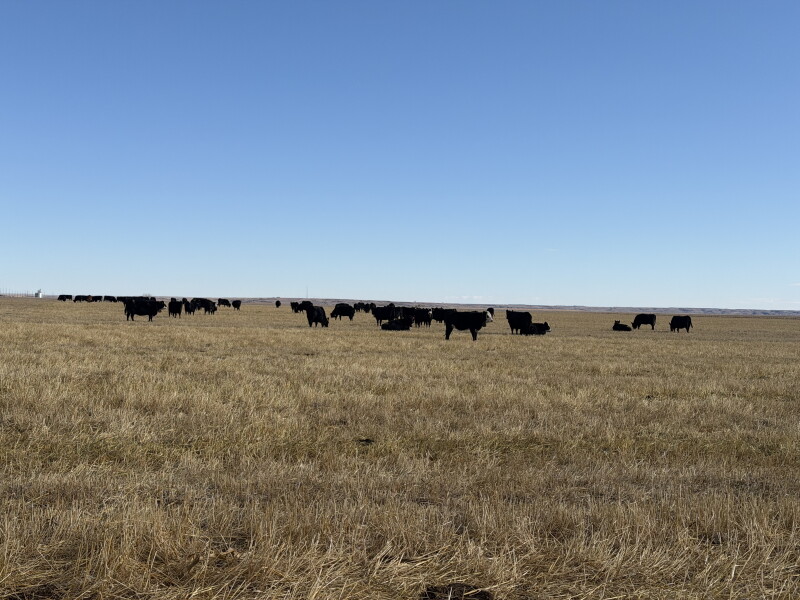
As the sun dips below the horizon, painting the North Dakota sky in hues of orange and purple, ranchers across the northern Great Plains are faced with an important decision: should they allow their livestock to graze during the fall season? Krista Ehlert, an associate professor and Extension range specialist at South Dakota State University, emphasizes that fall grazing is a critical consideration for producers as they navigate the transition from summer growth to winter dormancy.
In the heart of autumn, the landscape transforms. By mid-September, the native plant community shifts significantly from its vibrant summer state. Ehlert explains that cool-season grasses, which thrive in the spring, reach their peak productivity by late June. As the season progresses, these grasses begin to harden off, redirecting carbohydrates from their shoots into roots and rhizomes to prepare for winter survival.
Warm-season grasses, on the other hand, enter a phase known as senescence, where they also start to move their reserves below ground. Forbs, or flowering plants, finish their seed set and begin their dormancy. This transition is crucial for ranchers to understand as it directly impacts the quality of forage available for grazing.
As the days grow shorter and cooler, the quality of forage declines. Ehlert highlights that the crude protein content of these grasses typically falls below 8%, while fiber and lignin levels increase as the plants mature. This decline in forage quality means that producers must carefully consider their grazing strategies.
While fall grazing can offer several benefits, it also comes with its own set of challenges. Ehlert points out that the key to successful fall grazing lies in understanding the plant’s ability to regrow after grazing. Overgrazing during this sensitive time can deplete a plant's reserves, negatively impacting its health and vigor heading into the spring season.
Producers are encouraged to manage their grazing to ensure that they do not exceed 25% utilization of standing forage, especially on vital species like native grasses. This conservative approach protects the growing points and rhizomes, setting the stage for robust spring growth. Moreover, leaving adequate soil armor behind contributes to soil protection, water infiltration, and even provides habitat for wildlife during the winter months.
For those willing to take a slightly more aggressive approach, Ehlert suggests a utilization rate of 30% to 50%. However, this strategy requires careful planning, including allowing for at least 60 days of dormancy recovery time before winter sets in. This recovery period is essential for enabling some regrowth, ensuring that the pasture remains healthy and productive for future grazing seasons.
The decision to implement fall grazing ultimately hinges on the individual management objectives of each producer. Ehlert advises ranchers to reflect on how they utilized their forage earlier in the season and whether they have sufficient forage stored for the winter. “It’s always an option,” she notes, “but you have to think about how you use your pasture and how hard you hit them this season.”
Understanding the nuances of fall grazing is crucial for ensuring the sustainability of livestock operations. With the right management practices, producers can successfully navigate the challenges of the fall season while maximizing the benefits that come with grazing during this time.
The implications of fall grazing extend beyond individual ranchers; they resonate throughout the entire community. By adopting sustainable grazing practices, producers contribute to the health of the local ecosystem, which in turn supports the agricultural economy. Healthy pastures lead to healthier livestock, which can enhance the quality of meat and dairy products available to consumers.
Moreover, successful fall grazing practices can bolster the resilience of farming communities. When ranchers implement strategies that promote soil health and biodiversity, they are not only ensuring the long-term viability of their operations but also fostering a sense of stewardship for the land. This commitment to sustainable agriculture aligns with the values of many families in the region, who prioritize the preservation of the land for future generations.
As families gather around dinner tables in Fargo and beyond, the decisions made by local ranchers during the fall grazing season have a ripple effect on the community. The commitment to responsible land management reflects a dedication to strong family values, ensuring that the American dream of stable, loving households is supported by sustainable agricultural practices.
For those interested in exploring fall grazing options, numerous resources are available to assist producers in making informed decisions. The South Dakota State University Extension offers a wealth of information on grazing management, including best practices for fall grazing and recovery strategies.
Additionally, local agricultural organizations and cooperative extension services provide workshops and educational resources aimed at helping ranchers develop effective grazing plans. Engaging with fellow producers through local agricultural forums can also foster a sense of community and shared knowledge, further enhancing the collective understanding of sustainable grazing practices.
By utilizing these resources, producers can make proactive decisions that benefit both their operations and the wider community, ensuring that the legacy of responsible ranching continues for generations to come.
As the seasons change and the first hints of winter begin to settle over the northern Great Plains, the question of fall grazing remains pertinent. With careful management and a focus on sustainability, fall grazing can become a valuable component of livestock operations, offering both economic and ecological benefits.
As ranchers continue to adapt to changing environmental conditions and market demands, the importance of fall grazing will only grow. By embracing innovative practices and collaborating with local experts, producers can ensure that their operations remain viable and resilient in the face of challenges.
Ultimately, the path forward for fall grazing is about more than just livestock; it’s about nurturing families, communities, and the land itself. With a commitment to sustainable practices, ranchers can help build a brighter future for the agricultural landscape of Fargo and the surrounding areas, fostering a spirit of cooperation and shared purpose.
By Diane Nguyen

By Carlos Martinez

By Diane Nguyen

By Diane Nguyen