Community
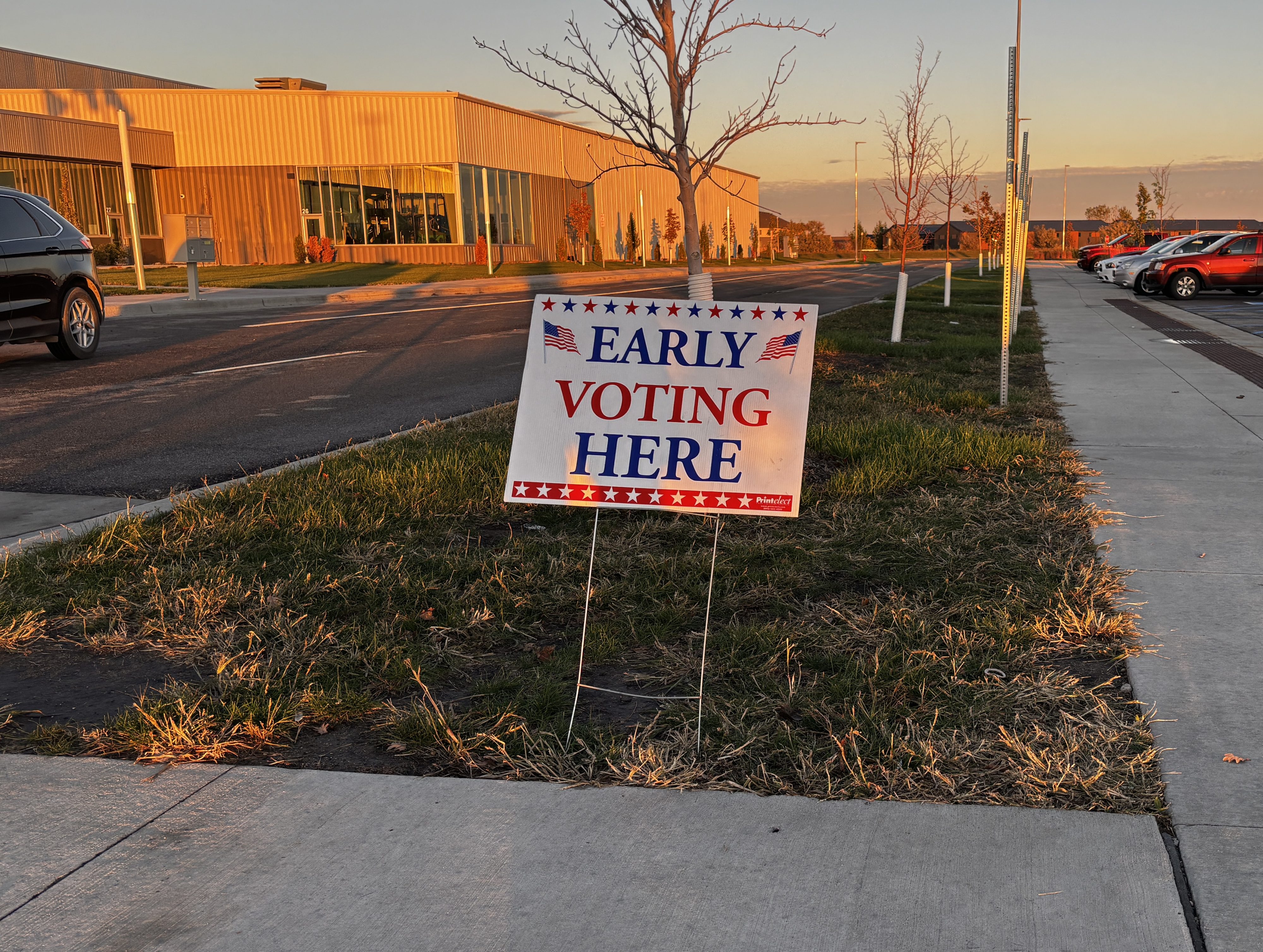
Cass County early votes increased 45% from the last midterm election in 2022
By Sofia Cheung
Advertisement · Why this ad?
Jenna Larson has been reporting on the Fargo region for over 15 years. She graduated from North Dakota State University and began her career at The Forum of Fargo-Moorhead before joining the Bison Current network. Jenna's focus is on community events, local initiatives, and the stories that make Fargo unique.
More from Jenna →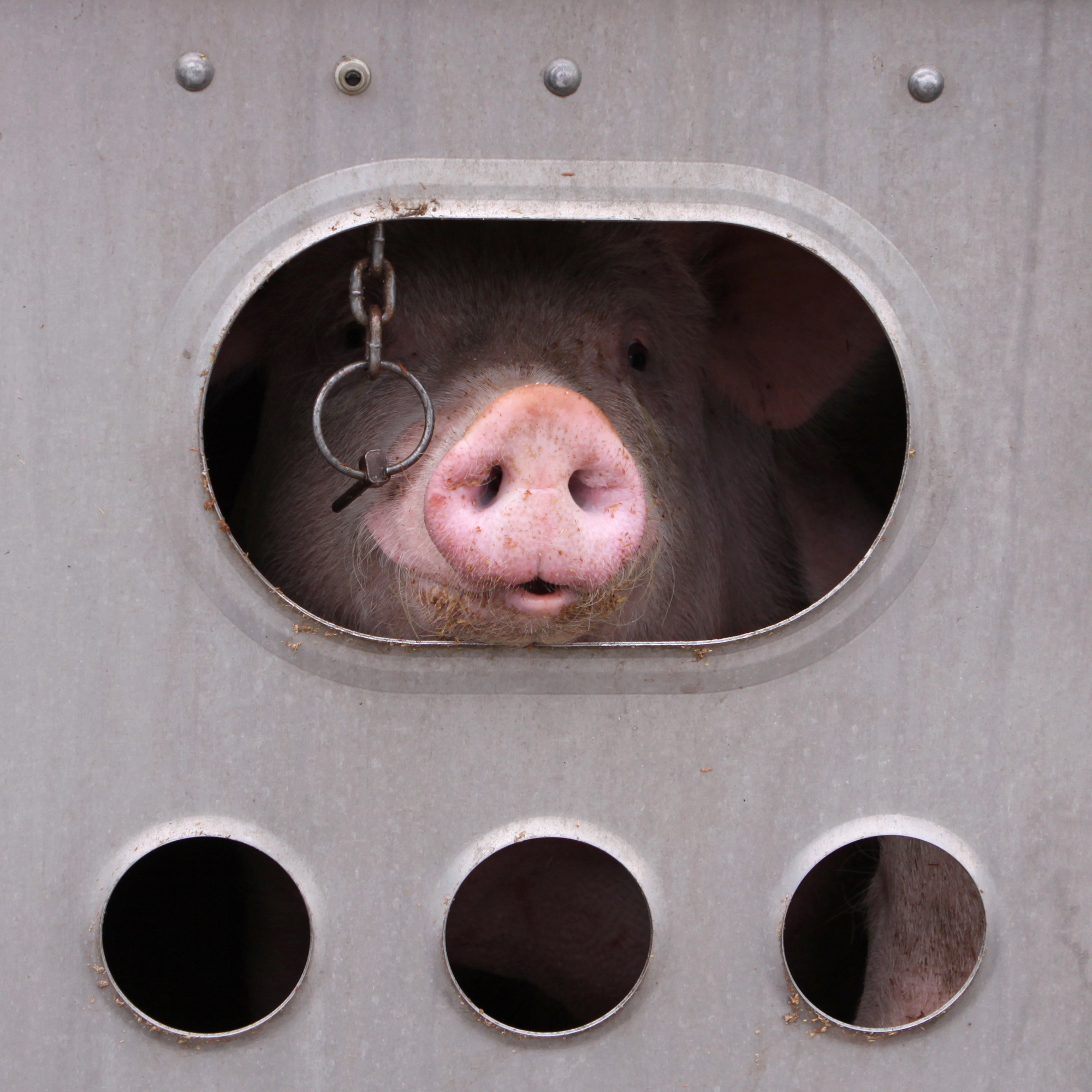
On a brisk autumn afternoon in Fargo, the sound of rustling leaves is accompanied by the distant echoes of farmers discussing their livelihoods. Among them is Jane Thompson, a passionate advocate for independent agriculture whose voice has been echoed in the halls of power through her work with Competitive Markets Action (CMA). Today, however, that voice is quieted as CMA announces its closure after three and a half years of dedicated service to farmers and rural communities.
Competitive Markets Action and its affiliated political action committee have officially ceased operations, a decision reached by the boards of directors due to a troubling lack of funding and exhausted financial resources. The organization, which has been a stalwart advocate for independent farmers, particularly in the face of growing consolidation in the agricultural industry, has fought tirelessly against legislative measures that threaten local producers.
One of the major battles CMA engaged in was against the Ending Agricultural Trade Suppression Act, commonly referred to as the EATS Act, and the Save Our Bacon Act. These proposals were seen as detrimental to state-level protections for farmers, particularly independent livestock producers. The organization’s efforts, in collaboration with other agricultural groups, were instrumental in keeping these measures out of the Senate farm bill legislation that advanced through committee in September.
Despite the cessation of its operations, CMA remains deeply concerned about the ongoing consolidation in the pork industry, particularly the influence of foreign ownership, such as that from China. This consolidation poses a significant threat to independent producers and the rural communities that rely on them. The closure of CMA represents not just the end of an organization but also a pivotal moment in the struggle for fair agricultural markets.
The news of CMA's closure has sent ripples through the farming community in Fargo and beyond. Farmers like Jane Thompson have expressed their dismay, recognizing the vital role CMA played in advocating for their rights. "It’s a tough blow for all of us who rely on independent markets to sustain our livelihoods," she shared, her voice tinged with emotion.
Local lawmakers and supporters have also voiced their concerns. Senator Lisa Johnson, a long-time advocate for agricultural issues, stated, "CMA has been a beacon of hope for many farmers who felt their voices were being drowned out by larger corporate interests. Their work has been invaluable in protecting our local agricultural economy." The sentiment is echoed by many in the community, who recognize the importance of advocacy in maintaining a competitive market landscape.
The closure also raises questions about the future of independent farming in the region. With the increasing pressures from corporate consolidation, farmers are left wondering who will advocate for their interests moving forward. Local farmer and community leader Mark Reynolds expressed, "We need organizations like CMA now more than ever. Without them, it feels like we’re losing our last line of defense against corporate takeover of our farms."
For three and a half years, CMA has stood at the forefront of advocating for independent farmers, focusing on policies that promote fair competition in agricultural markets. Their efforts were not just about opposing unfavorable legislation but also about fostering a sense of community among farmers who felt marginalized in a rapidly consolidating industry.
The organization’s work played a crucial role in educating lawmakers about the unique challenges faced by independent producers. By leveraging grassroots advocacy, CMA helped amplify the voices of farmers who might otherwise go unheard. Their ability to mobilize support from both farmers and lawmakers showcased the power of community-driven advocacy.
Moreover, CMA's closure leaves a gap in the network of support for independent farmers. As consolidation continues to threaten the viability of small farms, the need for advocacy has never been more pressing. The organization’s commitment to fighting for farmers’ rights has inspired many to continue the fight, even in the absence of a formal structure.
As the dust settles on CMA's closure, the question on everyone’s mind is: what comes next? Farmers across the region are grappling with the reality of diminished advocacy and increased corporate influence. The community is coming together, discussing potential ways to fill the void left by CMA.
Local farmer cooperatives and advocacy groups are considering collaboration to ensure that independent producers still have a voice in the legislative process. "We can't let this setback deter us. We need to come together and find new ways to advocate for our rights and livelihoods," said Reynolds, reflecting the resilient spirit of the farming community.
In the wake of CMA's closure, there is a renewed focus on building alliances among farmers, lawmakers, and community organizations. Collaborative efforts could lead to the formation of new advocacy groups that prioritize the needs of independent farmers. The community is hopeful that this moment can serve as a catalyst for change, inspiring farmers to unite in their fight for fair agricultural practices.
The importance of strong, committed advocacy cannot be understated. As families continue to navigate the complexities of agricultural markets, the need for a united front has never been clearer. With the spirit of CMA’s mission still alive in the hearts of many, there is potential for a new chapter in the fight for independent agriculture.
As the farming community seeks to adapt to the changing landscape, several resources are available to support independent producers. Organizations such as the National Farmers Union and the U.S. Department of Agriculture provide valuable information and support for farmers looking to navigate the challenges ahead.
Additionally, local cooperative extensions and agricultural education programs can offer resources and training to help farmers stay competitive in an evolving market. The North Dakota State University Extension is an excellent place for farmers to seek guidance and support as they face the future.
As the community rallies together, it’s essential for farmers to stay informed and engaged. By leveraging available resources and building strong networks, the spirit of independent agriculture can continue to thrive, even in the face of adversity.
The closure of CMA is not just a local issue; it reflects a national trend where independent farmers are increasingly marginalized in favor of corporate interests. This trend threatens the very fabric of rural communities, where agriculture is more than just an industry—it's a way of life. The loss of advocacy means that the voices of these farmers may be further silenced, leading to policies that do not reflect their needs or concerns.
Moreover, the impact of CMA’s closure extends beyond immediate advocacy. It raises concerns about food security and the sustainability of local food systems. As large corporations dominate the agricultural landscape, the diversity of crops and livestock decreases, which can lead to vulnerabilities in the food supply chain. This consolidation can also result in higher prices for consumers and fewer choices in the marketplace.
In response to the closure, several grassroots initiatives are emerging in Fargo and surrounding areas. Community meetings are being organized where farmers can share their experiences and concerns. These gatherings not only serve as a platform for discussion but also help in the formation of new strategies for collective action. Local churches and community centers are stepping up to host these meetings, emphasizing the importance of community solidarity during challenging times.
Additionally, social media groups have been created to facilitate ongoing dialogue among farmers. These platforms allow for the sharing of resources, advice, and support, fostering a sense of camaraderie that transcends individual farms. As farmers band together, they are not only preserving their livelihoods but also reinforcing the cultural heritage of independent agriculture.
By Sofia Cheung

By Jenna Larson

By Sofia Cheung

By Sofia Cheung