Schools
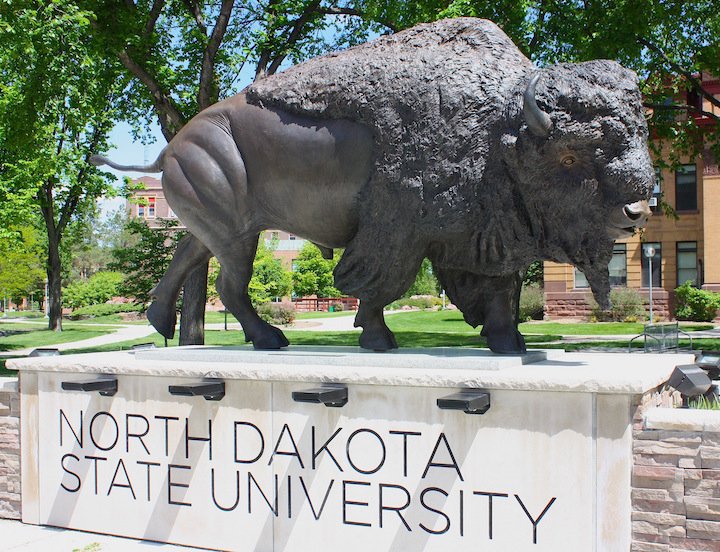
More than $2 million raised on NDSU Giving Day
By Tommy Anderson
Advertisement · Why this ad?
Sofia Cheung is a dedicated community reporter with a focus on social issues affecting the Fargo area. A graduate of North Dakota State University, she has spent the last four years reporting for local networks, ensuring that underrepresented voices are heard.
More from Sofia →
In the quiet town of Mayville, North Dakota, the promise of education, a cornerstone of opportunity and growth for countless young people and their families, has been overshadowed by an unsettling discovery. An audit by the North Dakota State Auditor's Office reveals that Mayville State University, a beacon of hope for many students, has been misallocating tuition waivers meant to support those in need, incorrectly issuing over $75,000 to 53 students who simultaneously received both cultural diversity and athletic waivers, a practice explicitly prohibited by state policy.
This significant finding comes after a comprehensive review of the university's financial aid practices during a two-year biennium period that concluded in the summer of 2023. During this time, Mayville State University awarded more than $700,000 in tuition waivers to 331 students. While these waivers are designed to make higher education accessible, the audit highlighted a critical lapse in adherence to established guidelines, particularly concerning the dual receipt of certain waiver types.
The core of the issue lies in the simultaneous awarding of cultural diversity and athletic waivers to the same students. State regulations are clear: students are generally not permitted to receive two distinct tuition waivers concurrently. The audit identified 53 students who, in their earnest pursuit of academic and athletic excellence, unknowingly navigated a flawed system that allowed this double benefit, accumulating to a total of over $75,000 in improperly distributed funds.
Further investigation by the Auditor's Office pointed to a fundamental misunderstanding of waiver policies within certain departments, particularly the athletics division. It was found that some employees were offering tuition waivers as a form of financial aid even before students had formally applied to the university. This premature commitment not only bypassed proper channels but also, in some instances, promised amounts exceeding the university's budgeted allocations for such aid.
This situation, as noted by a spokesperson from the North Dakota State Auditor's Office, “underscores the critical need for robust oversight and clear communication within our educational institutions.” The university's responsibility to its students, and to the taxpayers who support its mission, demands meticulous adherence to financial protocols. When waivers are incorrectly issued, the university must find alternative means to cover these costs, potentially diverting funds from other essential areas that directly benefit the student body and academic programs.
The revelation of these discrepancies casts a shadow over the integrity of educational support at Mayville State, impacting not just the institution but the entire community that rallies around its local university. For the 331 students who relied on these waivers, each with their own dreams of higher education and success, and especially for the 53 students caught in the administrative oversight, this news can be unsettling. Their aspirations, often supported by the sacrifices of loving families, depend on the transparent and equitable distribution of resources.
The financial mismanagement could undermine trust and deter future students from seeking opportunities at Mayville State. In communities like Mayville, where the university often serves as a central pillar, the stability and reputation of such an institution are paramount. Families across the North Dakota University System, including those in Fargo and the wider Red River Valley, expect financial aid processes to be clear, consistent, and above reproach.
This incident serves as a poignant reminder of the delicate balance of trust that underpins the relationship between educational institutions, their students, and the broader community. From the initial hope and aspiration of receiving aid to the current disappointment and uncertainty, the emotional arc of this story reflects the fragile nature of that trust. It highlights the importance of strong governance and clear communication in upholding the promise of accessible education.
In response to the audit's findings, Mayville State University is expected to implement corrective actions to prevent future occurrences. This will likely involve a thorough review of all financial aid policies, enhanced training for staff involved in waiver distribution, and improved internal controls to ensure compliance with North Dakota state regulations. Such measures are vital for restoring confidence and ensuring that every dollar intended for student support is allocated correctly and judiciously.
The university's commitment to its students and the community must be reaffirmed through concrete steps towards greater transparency and accountability. This includes ensuring that the process for applying for federal aid, such as the FAFSA, is clearly understood and that institutional waivers complement, rather than complicate, a student's financial planning. The goal is to foster an environment where students can focus on their studies and personal growth, secure in the knowledge that their financial aid is managed with integrity.
For families, particularly those who prioritize strong, intact households and the values of responsible stewardship, this situation underscores the importance of vigilance and engagement with their children's educational institutions. A university that operates with integrity in its financial dealings reflects the values of diligence and honesty that are foundational to a thriving community and a strong nation. It is a testament to the American dream when institutions uphold their promises, allowing young people to pursue their God-given talents and contribute meaningfully to society.
As Mayville State University moves forward, the focus must be on rebuilding trust and reinforcing its foundational mission. This means not only rectifying past errors but also proactively communicating changes and improvements to students, parents, and the wider public. The North Dakota Office of Management and Budget, along with other state oversight bodies, will undoubtedly monitor the university's progress closely.
The challenge now for Mayville State is to transform this audit into an opportunity for growth and strengthened governance. By embracing rigorous financial practices and ensuring that every staff member understands and adheres to the rules, the university can reaffirm its role as a trusted educational partner. This commitment to excellence in administration is just as crucial as academic excellence in preparing students for successful lives and careers, contributing to the fabric of our communities and upholding the values we cherish.
As the community grapples with the implications of this audit, the future of Mayville State hangs in the balance, urging a collective commitment to transparency and accountability for the sake of its students and the families who invest their hopes in its promise. It is through such dedication to integrity that institutions truly serve their purpose, fostering generations of responsible citizens and contributing to the enduring strength of our shared future.
By Tommy Anderson

By Tommy Anderson

By Carlos Martinez

By Sofia Cheung